
On this page
Online slots, known in New Zealand as online pokies, use random reel outcomes and a paytable to determine prizes. The differences that matter are the total cost of a spin, RTP, volatility and the price of special features.
A theme or advertised maximum win says little about the chances of a payout. Return to player (RTP), volatility, stake range and the game rules offer a firmer comparison. For adults in New Zealand, the operator's status and player safeguards matter too: the online casino licensing regime is changing through 2026 and 2027.
What are online slots and how do they work?
A slot has reels, symbols and a stake control. Some resemble three-reel fruit machines; others use six-reel grids, shifting symbols and bonus rounds. A random number generator (RNG) determines each spin's outcome, while the paytable lists winning combinations and the symbols that trigger features.

In a properly tested game, the RNG follows the programmed probability model. Previous losses do not make a win more likely, and a winning streak does not mean a losing spin is due. Near-miss animations, music and the moment the spin button is pressed do not predict the next result.
Reels, paylines and ways to win
Paylines specify paths across reels. A five-reel game with 20 lines checks qualifying symbols along those paths. A ways-to-win slot instead counts matching symbols on adjacent reels; 243 and 1,024 ways are common formats. Megaways, associated with Big Time Gaming, changes reel heights and the number of possible winning combinations between spins.
More ways to win do not imply higher RTP. Returns depend on the paytable and symbol probabilities. The displayed denomination can also differ from the total bet per spin when a game charges by active line. The total stake, not the smallest number on screen, determines what is at risk.
Wilds, scatters and bonus rounds
Wild symbols replace eligible symbols; some expand or carry multipliers. Scatters may pay without a line or start free spins. Sticky wilds, cascading or tumbling reels, respins, collection features and hold-and-win rounds change how a prize is formed. A multiplier increases a qualifying award, not every outcome.
A paid bonus buy skips ordinary play and enters a feature at a stated price, sometimes equal to many regular spins. The feature may still pay less than it costs. Its price belongs in any comparison of the game's risk.
RTP, volatility and hit frequency: three different measurements
RTP, volatility and hit frequency measure different things. None predicts the outcome of a particular session.
| Metric | What it describes | What it does not promise |
|---|---|---|
| RTP | The theoretical proportion of total stakes returned across a very large number of game rounds. | A refund of that percentage during a particular session. |
| Volatility or variance | How unevenly payouts are distributed, from smaller frequent prizes to rarer larger ones. | A fixed waiting time between winning spins. |
| Hit frequency | The proportion of spins producing a defined winning event, when the studio publishes it. | That every counted win exceeds the cost of the spin. |
| Maximum win | The largest stated prize under specified rules, commonly expressed as a multiple of the bet. | A likely or regularly attainable result. |
| Bet range | The minimum and maximum permitted stake per spin or game round. | That all bets qualify for every jackpot or promotion. |
What does 96% RTP really mean?
A theoretical 96% RTP corresponds to a 4% house edge. Over a sufficiently large number of rounds, NZ$10,000 staked would produce NZ$9,600 in prizes on average, with NZ$400 retained by the house. An individual player might win or lose everything; RTP is not a refund on each NZ$100 deposited.
Turnover is not the deposit. At NZ$0.50 per spin, 200 spins amount to NZ$100 wagered, even if the player began with NZ$20 and recycled earlier winnings. At 96% RTP the long-run expected loss on NZ$100 turnover is NZ$4. It is not a prediction of that session's balance.
Why volatility may matter more to the experience
Lower-volatility games tend to spread payouts across more frequent, modest wins. High-volatility games concentrate more return in rarer features or larger combinations, so long losing stretches are possible. Two slots can share an RTP yet produce very different swings in the balance.
A winning spin need not be profitable. A NZ$0.20 award on a NZ$1 spin still loses NZ$0.80, even if the game counts it as a hit. Hit frequency only makes sense alongside the studio's definition of a winning event.
The same slot title can have different RTP settings
A studio may supply several certified RTP settings for the same title. A review might quote one configuration while an operator uses another. Check the RTP in the active game's help or information menu, including any separate figure for a feature or jackpot. The studio logo cannot establish which version is running.
Types of online slots available to New Zealand audiences
| Slot type | Typical design | Practical distinction |
|---|---|---|
| Classic slots | Three reels, fruit or bar symbols, simple paylines. | Compact rules and fewer feature layers; RTP and volatility still vary. |
| Video slots | Five or more reels, animated themes, wilds and feature rounds. | More mechanics to understand before judging the cost of a spin. |
| Megaways slots | Changing reel heights and variable ways to win. | A different combination system, not an automatic increase in payout rate. |
| Cluster-pays and tumble slots | Adjacent symbol groups, cascading wins or pay-anywhere systems. | Several awards may occur within a single paid round. |
| Fixed-jackpot slots | A predetermined top prize or fixed award tiers. | The award is set by the rules rather than a growing shared pool. |
| Progressive-jackpot slots | A prize pool that can rise as qualifying stakes are made. | Eligibility, contribution rules and the jackpot's share of RTP require separate attention. |
Well-known slot games and the mechanics behind them
These established titles illustrate several slot designs. They are examples only; availability and RTP may differ by operator and exact game version.
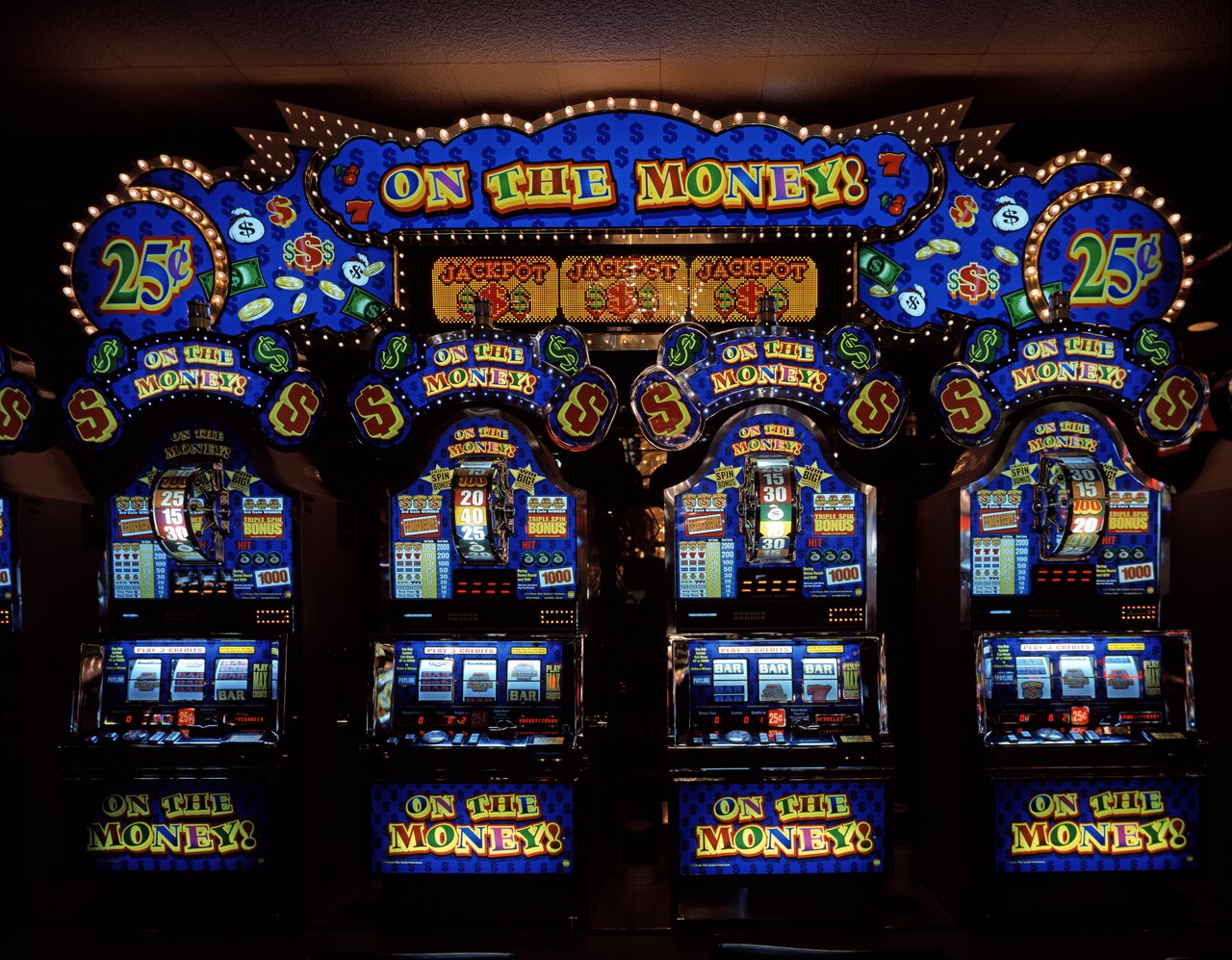
| Game | Description | Rating |
|---|---|---|
|
Starburst
|
NetEnt. Expanding wilds and wins that can pay in both directions make the core rule easy to spot. | 4.5/5Editorial score |
|
Gonzo's Quest
|
NetEnt. Avalanche-style cascades replace symbols, with multipliers building through consecutive wins. | 4.5/5Editorial score |
|
Book of Dead
|
Play'n GO. An Egyptian theme, expanding symbols and a free-spins feature define this video slot. | 4.0/5Editorial score |
|
Sweet Bonanza
|
Pragmatic Play. Pay-anywhere combinations tumble into new symbols; multipliers feature in the free-spins round. | 4.0/5Editorial score |
|
Gates of Olympus
|
Pragmatic Play. A tumble format with random multipliers, presented on a grid rather than fixed paylines. | 4.0/5Editorial score |
|
Big Bass Bonanza
|
Reel Kingdom / Pragmatic Play. Fishing-themed collection rounds lead into free spins; the exact feature set depends on the version. | 4.0/5Editorial score |
|
Bonanza Megaways
|
Big Time Gaming. Variable reel heights change the number of possible symbol combinations from spin to spin. | 4.0/5Editorial score |
|
Mega Moolah
|
Microgaming-origin franchise / Games Global. A progressive-jackpot format; eligibility and the displayed jackpot depend on the game version and operator. | 3.5/5Editorial score |
|
Cleopatra
|
IGT. A classic Egyptian-themed video slot with paylines and a free-spins feature. | 4.0/5Editorial score |
|
Buffalo
|
Aristocrat. Wildlife-themed reel combinations; bonus rules differ between games in the Buffalo series. | 3.5/5Editorial score |
For New Zealand readers: A game's inclusion here does not confirm that a particular platform currently offers it. Check the operator's current New Zealand status and the game's information screen for the exact version and RTP.
Other studios found in slot catalogues include Relax Gaming, Quickspin, Yggdrasil, Playtech, Hacksaw Gaming, Nolimit City and Betsoft. A developer's name helps identify a game, but does not guarantee a particular RTP or feature set. Evolution is more closely associated with live casino games than with RNG pokies.
Free online slots, demo mode and real-money pokies
Free online slots use virtual credits that cannot be withdrawn. A demo reveals the paytable, controls, symbol behaviour and game pace without putting cash at risk. Real-money pokies instead draw from an account balance and are subject to the operator's payment and verification rules.
A demo winning streak does not show that a slot is “hot”; it says little about the long-run RTP and predicts nothing about the next paid spin. New Zealand's published standards require licensed operators to disclose material differences in odds or RTP between equivalent demo and paid versions.
Demo credits are different from promotional free spins. Promotional winnings may carry wagering conditions and cash-out caps, including on no-deposit offers. A bonus balance is not necessarily withdrawable money.
Slot bonuses: the terms behind free spins and welcome offers
Casino listings mention welcome bonuses, deposit matches, no-deposit offers, reload bonuses, cashback, slot tournaments and free-spins packages. Their headline values omit the terms that decide whether winnings can be withdrawn.
Wagering requirements specify how much qualifying turnover a bonus needs. A hypothetical NZ$20 bonus with a 35× requirement on the bonus amount means NZ$700 in qualifying stakes. If the multiplier applies to both deposit and bonus, the amount is higher. The calculation explains the contract; it is not a target worth chasing.
- Eligible games and contribution rates: a particular slot may contribute 100%, less than 100%, or nothing towards wagering.
- Maximum bet: betting above the permitted amount may invalidate bonus winnings.
- Free-spins stake: “100 spins” does not specify the value of each spin or the eligible game.
- Expiry and activation: a promotion can end before a player meets its conditions.
- Withdrawal and conversion caps: promotional winnings may be subject to a maximum cash-out amount.
- Restricted features: bonus buys, jackpot rounds or particular titles may be excluded.
“100 free spins” says little without the stake per spin, eligible game, contribution rate and withdrawal cap. New Zealand's licensing rules also restrict inducements. Older offshore offers are not a reliable article about promotions permitted in the regulated NZ market.
Online slots and New Zealand law in 2026
New Zealand's Online Casino Gambling Act 2026 took effect on 1 May 2026. The Department of Internal Affairs (DIA) is phasing in domestic licences, with a fully licensed market expected in 2027. As at 2 November 2026, an overseas gambling licence is not a New Zealand online casino licence.
According to the DIA's information for players, qualifying offshore operators that served New Zealanders before 1 May 2026 can continue under transition rules until 1 December 2026. Thereafter, operators without a qualifying licence application must stop serving NZ customers; eligible applicants may operate under an exemption while assessed. Up to 15 licences are available, and a public register will identify licence holders once issued.
Advertising online casino gambling to people in New Zealand is prohibited during the transition. An offshore licence badge, affiliate score or search listing does not prove domestic approval.
Is the minimum age 18 or 20?
Under the Online Casino Gambling Act 2026, operators must take all reasonable steps to ensure online casino players are at least 18. The 20-year minimum applies to gambling at land-based casinos in New Zealand. Age and identity checks still apply, and people under 18 must not participate in online casino gambling.
What will change on licensed platforms?
The Online Casino Gambling Regulations 2026 and DIA's minimum standards set requirements for game information, identity checks, account security, deposit and spending limits, breaks, time-outs, alerts, self-exclusion and complaints.
Licensed platforms may not offer autoplay or allow a customer to run multiple slots simultaneously on the same platform. Each round requires a deliberate action, and the technical minimum interval before the next round is 2.5 seconds. Network progressive jackpots must satisfy domestic rules. These requirements do not establish that offshore operators already follow them.
NZD balances, deposits, withdrawals and account verification
A prize displayed in NZD is not necessarily settled in NZ dollars. Exchange rates, bank charges and verification can affect withdrawals. Directories list debit cards, bank transfers, Skrill, Neteller and sometimes cryptocurrency; availability and costs depend on the operator and payment route. Crypto payments add exchange-rate and transfer risks.
Displayed winnings may remain pending until the operator checks identity and approves withdrawal. Deposit methods are not always withdrawal methods. “Instant payout” may refer to internal approval, not bank settlement; the account rules should specify supported routes, limits and verification requirements.
For licensed NZ operators, the published regulations prohibit payment methods involving a credit contract, including credit cards. Offshore directories sometimes group credit and debit cards under Visa or Mastercard. A logo alone does not establish that a particular debit card is accepted.
Know Your Customer (KYC) and anti-money-laundering checks concern the account holder. HTTPS, strong authentication and complaints procedures protect the account. RNG testing and disclosed game rules address a different issue: whether a slot operates as specified.
Mobile online slots on iPhone, Android and desktop
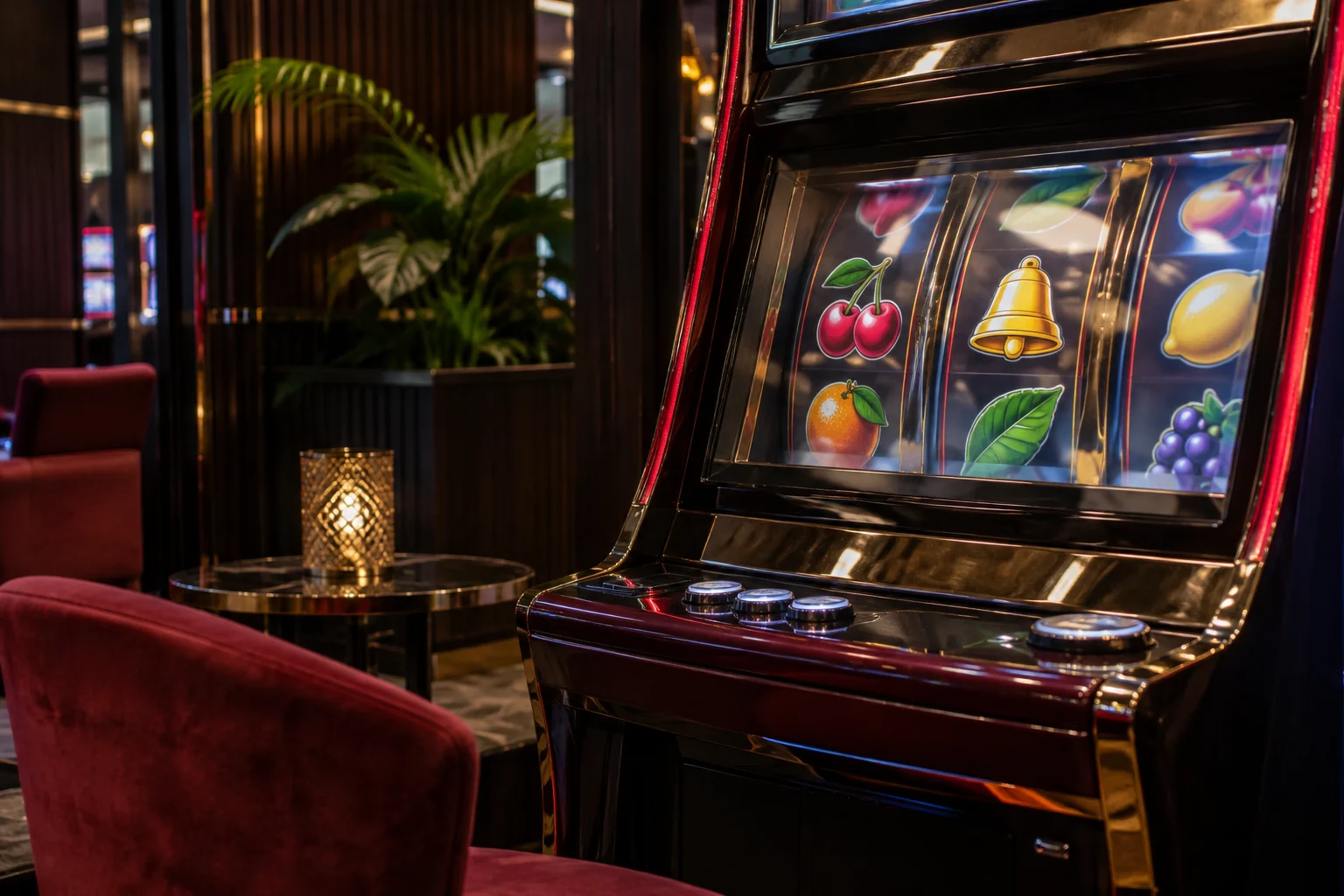
Many pokies use HTML5 and run in browsers on iPhone, Android and desktop. They do not always need a dedicated app. Mobile layouts may rearrange menus and touch controls without changing the game's RNG or improving the payout odds.
On a small screen, total stake, balance, RTP, jackpot eligibility and spending controls should remain readable. A hidden paytable makes the rules harder to check. An interrupted connection also needs clear round-settlement rules; a frozen animation does not establish that the wager was lost.
How to compare slots without mistaking entertainment features for value
- Identify the exact version. Record the game name, studio and displayed RTP. A review site's percentage is not a substitute for the active game's figure.
- Read the paytable. Establish how wins are counted, whether paylines can be switched off, what the full spin costs and how scatters or wilds function.
- Separate RTP from volatility. A comparatively high RTP can coexist with high variance and rare large awards.
- Examine special costs. Bonus buys, jackpot eligibility and special bet modes can change the amount at risk.
- Assess the account rather than just the game. Local eligibility, operator status, withdrawal terms, identity controls and safer-gambling tools affect the entire experience.
- Measure total exposure. The cost of 100 or 200 spins is clearer than the appearance of a small per-spin price; a betting limit reduces exposure but does not change the game's edge.
Two slots with 96% RTP can still play very differently. One pays small prizes more often; the other places more return in rare features and a jackpot, with a costly bonus buy. Their long-run return matches, but the balance swings and feature costs do not.
Spin timing, changing machines, increasing bets after near misses and chasing losses cannot beat independently generated RNG outcomes. More spins raise cumulative turnover and expected loss; they do not make a jackpot inevitable.
Safer gambling and practical limits
Rapid rounds and recycled winnings make cumulative stakes easy to overlook. A fixed entertainment budget, a time limit and a stopping point cap exposure to loss and time spent gambling. They do not change the slot's house edge.
Deposit limits, loss or spending limits, reality checks, time-outs and self-exclusion do different jobs. A deposit limit restricts money added to an account; a loss limit addresses money lost during play. Self-exclusion is more than taking a short break, and these settings should be accessible within the account.
Gambling is not a reliable source of income or a way to recover rent, bills or earlier losses. Where play affects finances, sleep, relationships or work, the Department of Internal Affairs lists free help through New Zealand's Gambling Helpline (0800 654 655; text 8006) and Safer Gambling Aotearoa.
Online slots FAQs
Are pokies and online slots the same thing in New Zealand?
Yes. “Pokies” is the usual New Zealand term for slot machines. Online pokies run on websites or apps; their features vary by game.
Can a slot with 99% RTP still lose an entire balance?
Yes. RTP is a long-run statistical average, not a guaranteed minimum. A 99% RTP setting does not prevent a losing streak or an empty balance.
Do free demo pokies offer the same chances as paid versions?
Not necessarily. The demo may use different mathematics. New Zealand's minimum standards require licensed operators to disclose material differences between an equivalent free and paid game.
Do online slot machines become due for a payout after a long losing streak?
No. Each independently generated outcome is unaffected by previous losing spins. A jackpot does not become due after a dry spell.
Are Megaways slots more likely to win than classic pokies?
Not because of Megaways alone. The name describes variable reel heights and winning combinations; the RTP, volatility and paytable govern actual prizes.
Does a progressive jackpot always offer a better return?
No. Part of its theoretical return may sit in rare jackpot awards, while the base game pays less. Stake requirements and jackpot eligibility also matter.
Can New Zealand players use an offshore online casino in November 2026?
Transition rules allow certain existing offshore operators to serve NZ customers until 1 December 2026. That permission does not cover every offshore casino or provide domestic licensing. From that date, the application and exemption rules determine which operators may continue during the licensing process.
← Back to Casino Games