
On this page
Safer gambling means deciding how much money and time you can afford to lose before you start. Those limits have to hold after a win, a loss or a bad day. If gambling is already affecting bills, relationships or wellbeing, a break or self-exclusion is safer than another spending rule. No betting system removes the risk of harm.
In Aotearoa New Zealand, that applies to Lotto NZ and Instant Kiwi tickets, pub and club pokies, casinos, TAB NZ sports and racing bets, and online gambling. Different games have different risks. None should come ahead of everyday responsibilities.
First, decide whether gambling is safe for you to continue
A spending cap cannot make gambling harmless. Borrowing to bet, hiding transactions, missing bills or repeatedly ignoring a limit are reasons to stop and seek support, not to set a more generous budget.

- Gambling is affecting essentials: stop rather than setting a higher limit. Rent, mortgage payments, groceries, power bills, transport, debt repayments and savings commitments are not gambling funds.
- You are chasing losses or cannot stick to a limit: a longer break, self-exclusion and support offer stronger protection than another promise to spend less.
- Gambling remains an occasional choice without signs of harm: a fixed affordability boundary, a time boundary and an honest spending record can reduce risk, but cannot guarantee safety.
There is no universally safe gambling amount. A NZ$50 loss might be manageable in one household but leave another short on groceries. Gambling harm does not require a diagnosis of gambling disorder or a large debt.
Give gambling a money boundary that protects the rest of life
Work out a gambling budget only after rent or mortgage payments, food, transport, utilities, debt repayments and planned savings are covered. It should be money you can lose completely without changing those commitments. If nothing remains, the affordable gambling budget is zero.
Set the limit while you are calm, not during a losing streak. Treat every stake as money that might never return. Credit cards, overdrafts, loans and someone else’s money are not spare funds for betting. Trying to win back a loss usually puts more money at risk.
Check the full cost, not just one session
NZ$20 a week adds up to NZ$1,040 across 52 weeks. That is the amount spent on purchases or deposits, not necessarily the net loss: winnings and withdrawals affect the final balance. Check both total money paid in and net money lost, rather than judging the cost by one session.
Compare bank statements with gambling account histories. Include Lotto tickets, TAB bets, pokie sessions and online casino deposits. Keep stakes, deposits and withdrawals in separate columns so you do not count the same money twice. If a win is staked again, that money is at risk again; it is not a recovered loss.
Saved cards, automatic top-ups and several betting accounts make extra spending easy to miss. Remove stored payment details and review the total across providers, not just the balance shown by one app.
Set a time limit as carefully as a spending limit
The time cost of gambling extends beyond a bet. Checking odds, following live sport, refreshing results and replaying losses in your head can fill an evening even when little time is spent placing wagers.
Choose an end time before starting. An alarm, account curfew or check-in helps if you have something else planned when the session ends. A break interrupts play; it does not undo a loss.
Stress, anxiety, boredom, loneliness, alcohol or excitement can change how someone judges a bet. When gambling becomes a way to escape an uncomfortable feeling, the original problem remains. A walk, time with friends, rest or another absorbing activity removes the betting element altogether.
Understand why gambling can feel more predictable than it is
Most casino games have a house edge: over many wagers, the rules favour the operator. Return to Player (RTP) describes the share of stakes a game is designed to pay back over a very large number of plays. A 95% RTP does not promise NZ$95 back from a NZ$100 deposit. It says nothing about when a particular player will win or lose.
Pokies use a random number generator (RNG) to produce outcomes. Independent spins do not remember what came before. A long run without a payout does not make the next spin more likely to win. That mistaken expectation is the gambler’s fallacy; pressing a button differently does not change the odds.
A near miss can feel close to a win without changing the result. Lights, sounds and free-spin animations add to that impression. A loss disguised as a win is a celebrated payout worth less than the stake. When rounds are fast, the running total can be harder to notice than the next spin.
Free bets and bonuses can come with wagering requirements, withdrawal restrictions or deadlines. Meeting those conditions may require more betting than planned. Neither promotional credit nor a strategy for picking numbers, timing spins or raising stakes makes an uncertain outcome dependable.
Different gambling products bring different risks
Pokies in pubs, clubs and casinos
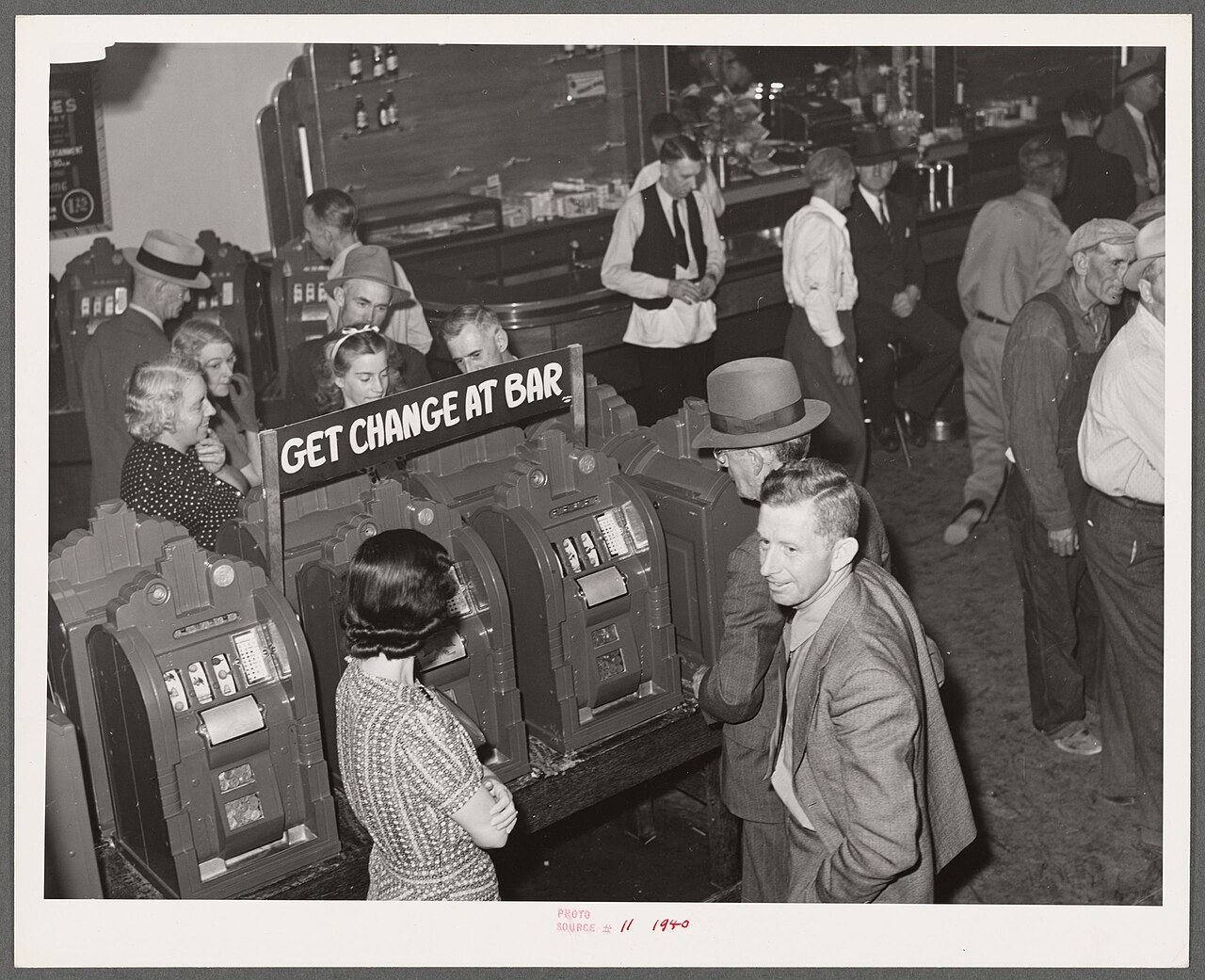
New Zealanders call electronic gaming machines pokies. Their rapid rounds allow many wagers in a short period. Pub and club machines operate at Class 4 gambling venues, where the Gambling Act 2003 and related regulations impose harm prevention and minimisation duties. Staff must follow rules for identifying gambling harm and managing exclusions; venue regulation does not remove the risk.
Lotto, Powerball and Instant Kiwi
Lotto NZ, Powerball and Instant Kiwi scratch cards are not ways to pay bills or build savings. A large advertised jackpot can draw attention away from the small chance of winning. Buying more tickets costs more, and lottery spending becomes a problem if it replaces essentials or has to be concealed.
Casino table games
Roulette, blackjack, baccarat and poker have different rules and odds. Decisions matter in some games, but skill cannot guarantee profit; roulette outcomes remain chance-based. New Zealand casino gambling areas are restricted to people aged 20 or over.
Sports and racing betting
Knowing a sport does not remove uncertainty about injuries, refereeing or the result. With live betting, changing odds and small repeated stakes, the total can grow unnoticed. TAB NZ and its Betcha brand operate within New Zealand’s domestic online sports and racing betting framework. Account tools may include deposit and stake limits, curfews, check-ins, market controls and self-exclusion.
Online casinos, social casino games and loot boxes
Phones make online casinos and gambling apps accessible at almost any hour. Push notifications, saved cards, bonuses, virtual credits and fast play encourage repeat visits. Loot boxes, microtransactions and simulated gambling also deserve attention, particularly for rangatahi (young people). Not every loot box meets the legal definition of gambling, but paid chance-based rewards can still cause financial or behavioural harm.
Match the protective tool to the risk
Different tools address different problems. An account limit controls one account; a blocker restricts access; self-exclusion provides a firmer barrier. Availability and settings vary by provider.
| Tool | What it helps control | What it cannot do |
|---|---|---|
| Deposit and spending limits | Restrict funds added to a betting account over a chosen period. | A limit on one account does not cover other accounts, cash gambling or money already deposited. |
| Bet stake or loss limits | Cap individual bets or losses where a provider offers those settings. | Small stakes can still accumulate, and a loss limit is not the same as a deposit limit. |
| Time alerts, reality checks and curfews | Expose session length and restrict access at selected times. | Reminders are only useful if the person can act on them. |
| Notification and marketing controls | Reduce prompts from bonus offers, live odds and gambling promotions. | Turning off messages does not block voluntary access. |
| Website and app blockers | Tools such as BetBlocker, Gamban and GamBlock restrict access to many gambling websites or apps. | Coverage varies by device, product and installation; no blocker should be assumed to catch every service. |
| Bank gambling transaction blocks | Supported services from banks including Westpac, ANZ and Kiwibank can interrupt eligible gambling payments. | Merchant classifications, payment methods and card settings affect what a block catches. |
| Self-exclusion | Restricts access to an account, a venue or multiple venues for an agreed period. | Exclusion from one provider or venue does not automatically exclude every gambling service. |
A bank block is useful but not foolproof. Westpac NZ's gambling card controls rely on payments being identified as gambling-related. Other payment methods or incorrectly classified merchants may get through. Bank restrictions, website blocking and self-exclusion cover different gaps.
When limits stop working, self-exclusion creates a firmer boundary
Self-exclusion is a formal arrangement that restricts access to a gambling account or venue. It offers more protection than another spending promise when someone keeps returning to gamble, increasing limits or gambling after deciding to stop.
At a pub or club with pokies, staff can explain venue self-exclusion. Multi-Venue Exclusion (MVE) can cover participating venues; a gambling harm counsellor or MVE coordinator can clarify which ones. Casinos use separate arrangements. Online operators generally require their own exclusions. TAB NZ offers account breaks and self-exclusion, while Lotto NZ has options for online games and retail purchases.
Before relying on an exclusion, check which brands, accounts and locations it covers, when it begins, how long it lasts and what happens when it ends. Check whether marketing messages stop too. Deleting an app or closing one account is not necessarily the same as formal self-exclusion.
If an exclusion leads to searching for another betting site, add device blockers and payment restrictions. Counselling can help with the urges that an access barrier alone cannot resolve.
Online safety and gambling law in New Zealand
The Gambling Act 2003 and Gambling (Harm Prevention and Minimisation) Regulations set requirements for gambling venues. The Department of Internal Affairs (DIA) oversees areas of the sector, including pokies outside casinos. Health New Zealand | Te Whatu Ora and the Ministry of Health are involved in gambling harm services and public health prevention.
The Online Casino Gambling Act 2026 is in force, but New Zealand’s online casino licensing system is being introduced in stages. Licences are expected from early 2027. A website displaying NZ dollars, a New Zealand flag or a local-sounding name is not proof of a New Zealand licence. DIA's information for online gambling customers explains the current rules and consumer protections.
Online sports and racing betting fall under a different regime, including the Racing Industry Act 2020. Since 28 June 2025, online racing and sports betting offered to customers in New Zealand must be operated by TAB NZ, including its associated brands. Online casino rules should not be assumed to apply to sports betting.
Delays in withdrawing money, unclear wagering terms, unexpected identity requests and suspicious payment instructions deserve scrutiny. Being able to open a site on a phone does not establish that it is regulated or trustworthy. Keep payment details secure and avoid automatic deposits or bonus-led spending.
Recognise gambling harm before a crisis develops
Gambling harm is not only about money. It can disturb sleep, mental health, relationships, whānau life, work and study. Harm may begin well before debts become severe or someone meets the criteria for a gambling disorder.
- Money: repeated ATM withdrawals, debt, overdue bills, borrowing, selling possessions or dipping into savings to gamble.
- Behaviour: chasing losses, spending longer than planned, increasing stakes, hiding transactions or making unsuccessful attempts to cut back.
- Feelings: persistent anxiety, irritability, guilt, shame or gambling as a way to escape stress.
- Relationships: arguments, secrecy, broken promises, reduced time with children or whānau, and loss of trust.
- Daily life: poor sleep, missed work or study, neglected responsibilities and reduced interest in other activities.
Ask what happens after a loss, a tempting jackpot or a live event. Can you still follow the limit you set earlier- If the answer keeps changing once you start, a stronger barrier is needed than willpower alone.
When someone in your whānau is gambling

Partners, parents, friends and children can be affected without placing a bet themselves. Unpaid household bills, secrecy and broken trust spread the effects through a whānau. Gambling harm services in Aotearoa can support family members as well as the person gambling.
Specific concerns are easier to discuss than labels. “I noticed the power bill is overdue and I’m worried about our money” opens a conversation without accusation. Listening does not mean lending money, paying off gambling debts or keeping losses secret.
Keep essential household bills protected and consider independent financial guidance. Do not take control of another adult’s accounts without consent or lawful authority. If intimidation, financial abuse or family violence is involved, safety matters more than negotiating betting limits.
Parents and caregivers can check gaming purchases, store permissions, virtual currencies, gambling advertisements and loot boxes. Explain to rangatahi how paying for a chance-based reward differs from ordinary game progress.
Free, confidential gambling support in Aotearoa
Free, confidential gambling harm support is available for people who gamble and for affected whānau. Services can help with counselling, debt concerns, safety planning, cultural support and venue exclusion arrangements. Some services are funded through Health New Zealand | Te Whatu Ora.
- Gambling Helpline: 0800 654 655, or free text 8006; available 24 hours a day, seven days a week.
- PGF Services (Problem Gambling Foundation): 0800 664 262, or text 5819; gambling counselling, whānau support and exclusion guidance.
- Asian Family Services: 0800 862 342; multilingual support for Asian communities across New Zealand.
- Mapu Maia: 0800 21 21 22; culturally responsive Pacific gambling support.
- Specialist Gambling Helplines: Māori 0800 654 656; Vai Lelei Pasifika 0800 654 657; Youth 0800 654 659; Gambling Debt 0800 654 658.
Safer Gambling Aotearoa's service directory lists local options, including kaupapa Māori services. Support is appropriate before debts mount or relationships break down; losing control of gambling is reason enough.
What safer gambling looks like in everyday life
An affordable limit has to survive both wins and losses. Rent money stays out of betting accounts; an evening with whānau does not get lost to endless odds checks. A near miss is still a loss, whatever the machine’s lights suggest.
Safer gambling reduces risk; it cannot eliminate it. When limits repeatedly fail, stopping, restricting access and getting support offers a safer course than another attempt to win money back.