
On this page
Casino identity verification confirms that the person using an account is eligible to gamble and is entitled to the funds being paid out. For New Zealand players, the practical question is often not simply “Which ID do I upload-” but “What is stopping my withdrawal, and what evidence will clear it-” The answer depends on whether the casino is checking your identity, your payment method, or the source of a transaction. These are different checks, and passing one does not automatically complete the others.
Start with the exact account status. If your profile says identity unverified, provide the requested identification. If a withdrawal is pending despite an approved identity check, inspect the payout method, transaction review and withdrawal conditions before uploading more documents. If the casino requests sensitive financial evidence without explaining why, ask its support team to identify the check and secure submission route.
What does casino identity verification involve?
Know Your Customer (KYC) is the process an online casino uses to confirm the account holder's identity. It can include age verification, proof of identity, residential address checks, authentication of a payment method and, where justified, further customer due diligence. Anti-money laundering and countering financing of terrorism (AML/CFT) controls also explain why some transactions receive extra scrutiny.
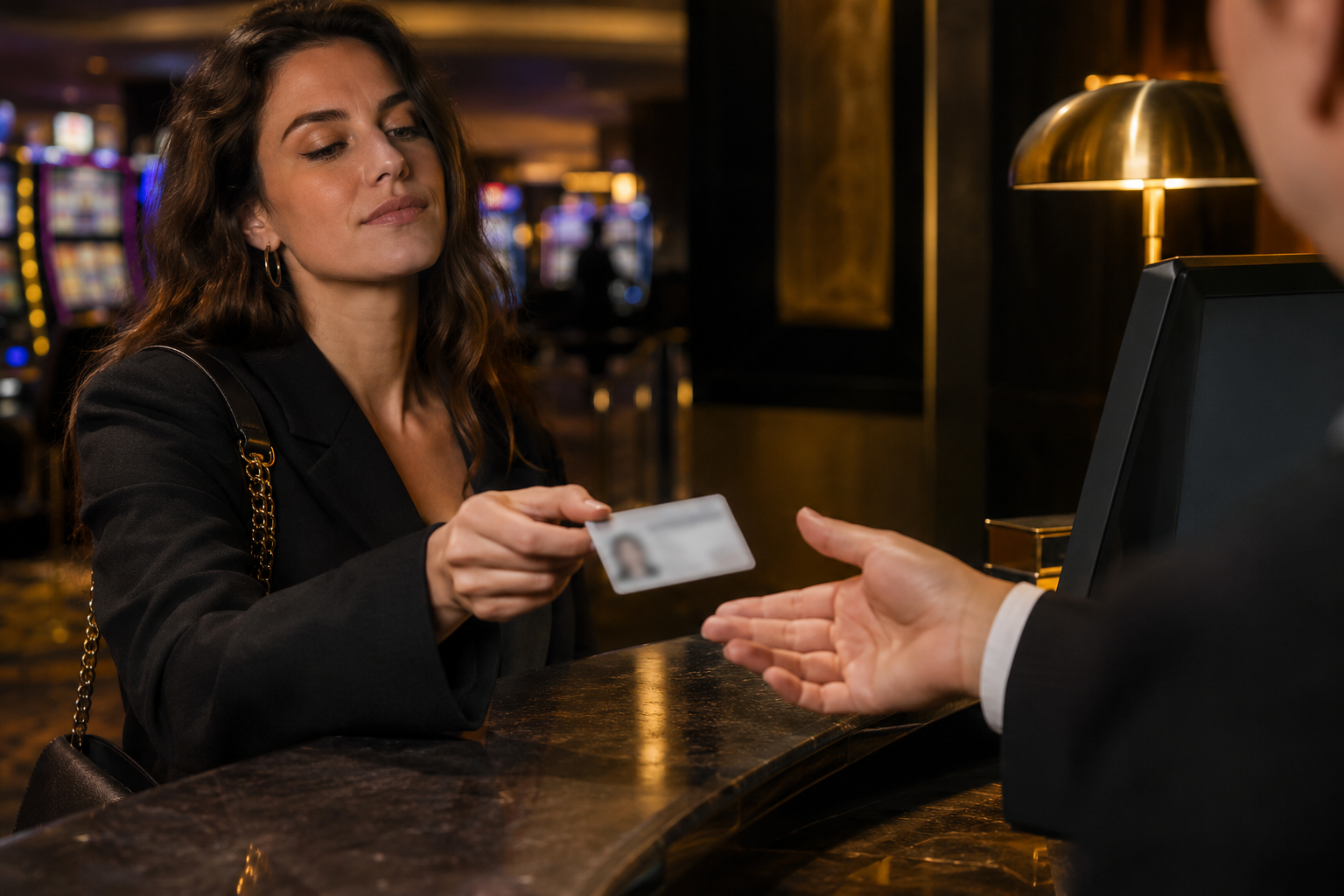
A typical process compares the full legal name, date of birth and other account details against reliable evidence. An identity verification provider may check document authenticity, use a selfie or liveness detection to establish that the document belongs to the applicant, or send exceptions for manual review. Enhanced Due Diligence (EDD), source of funds and source of wealth questions are separate, risk-based steps rather than documents every player must submit.
Which documents might you need?
Check the casino's verification portal before gathering documents. The categories below are common across casino KYC articles, but accepted documents, age limits for statements and upload formats differ by operator.
| Check | Common evidence | What it establishes | Before uploading |
|---|---|---|---|
| Proof of identity | New Zealand passport, overseas passport, New Zealand driver licence, or an accepted national identity card | Name, date of birth and identity | Check validity, expiry date and whether the full document is visible |
| Proof of address | Utility bill, bank statement, council rates notice or eligible government letter | Current residential address | Confirm that the name, address and document date are readable |
| Payment ownership | Masked debit-card image, bank account statement or e-wallet account evidence | That the payment account belongs to the casino account holder | Hide information not explicitly required; never disclose a card PIN or CVV |
| Source of funds | Payslip, relevant bank records or other financial evidence requested for a specific review | Origin of funds involved in a transaction | Request the reason and exact document scope before sharing sensitive records |
A PDF bank statement may be accepted for an address check where a screenshot is not. Some providers support JPG or PNG photographs; others scan a document with a phone camera or require a QR-code hand-off to a secure mobile flow. Follow the formats shown in the actual verification request, not a generic checklist.
How to verify your casino account
- Open the official verification area. Sign in through the casino's genuine website or app and locate Account, Profile, Verification or KYC. Avoid document-upload links sent by an unexpected message.
- Match your profile to your ID. Enter your legal name and date of birth as shown on your identity document. Use your real residential address, not a different billing address simply because it appears on a card.
- Submit the requested identification. Capture all corners, keep text in focus, avoid glare and make sure no finger covers a photograph, number or expiry date. Upload both sides of a driver licence when requested.
- Complete any selfie or liveness check. If prompted, follow the provider's instructions in good lighting. Do not use a filtered image or another person's face.
- Supply additional evidence only when asked. A proof-of-address document, bank statement or payment ownership check may follow the initial identity review. Verify the request within the authenticated account.
- Check the outcome. Look for a verified status or confirmation message. If the system rejects a document, use the stated reason to correct the problem rather than submitting the same image repeatedly.
Keep a record of the date you submitted documents and the case reference, but do not store unnecessary copies of highly sensitive records in shared devices or messaging apps.
Why KYC and withdrawal approval are not the same thing
Withdrawal processing has several stages: an account is authenticated, the payout request is reviewed, the payment method is confirmed, and the casino or payment provider initiates a transfer. Your bank or e-wallet may then need additional time to credit the money. A completed identity check only resolves the identity component.
For example, an account may show Verified while a bank transfer is still pending because the name on the nominated bank account differs from the casino profile. Another player may have a matching name but face a source-of-funds enquiry because a transaction was flagged for review. The correct next step is different in each case.
| What you see | Likely question to resolve | Useful next action |
|---|---|---|
| Identity verification pending | Has the ID or selfie passed review- | Check document status and any resubmission request |
| Identity approved; withdrawal pending | Is the payout method or transaction still under review- | Ask support which approval stage is outstanding |
| Withdrawal rejected | Was it an account, payment, balance or policy issue- | Request the precise rejection reason and applicable term |
| Withdrawal marked paid; money missing | Has the receiving provider credited the transfer- | Request the payment reference and check with the receiving bank or wallet |
Deposits and payout methods
Payment ownership checks can apply to a debit card, bank transfer or supported e-wallet. Visa and Mastercard are card networks, not proof that a particular card or credit facility is permitted for an online casino transaction. Under New Zealand's 2026 online-casino regulatory framework, payment method restrictions are a specific compliance issue; do not assume an option listed on an overseas casino website is allowed under the New Zealand licensed regime. Some operators also apply same-method or registered-method payout rules. Ask which withdrawal routes are actually available before depositing, especially if an earlier payment instrument has expired or been closed.
New Zealand dollar (NZD) balances, currency conversion charges, minimum withdrawals, withdrawal limits and intermediary processing can affect the final amount or timing. These questions belong alongside identity verification because players often encounter them at the same point, even though they are not themselves proof-of-identity requirements.
How long does casino verification take?
There is no reliable universal KYC turnaround time. Automated checks can return a result quickly when document and account details match; manual reviews and requests for new evidence can take longer. Weekends, time-zone differences, high enquiry volumes and source-of-funds reviews may add delays. An advertised timeframe is an operator estimate, not a guarantee that a withdrawal will arrive by that deadline.
When contacting support, ask two separate questions: “Has my KYC been fully approved-” and “Has my withdrawal been released to the payment provider-” The answers pinpoint whether you are waiting for document review or for payment processing. If the status has not changed beyond the operator's published review period, provide the submission date, masked withdrawal reference and relevant status screenshots; avoid attaching full identity documents to an ordinary email.
Why documents get rejected - and how to fix them
Unreadable, cropped or expired ID
Blur, glare, a missing corner, an expired document or a partly obscured number can prevent document authentication. Retake a sharp image of the original document against a plain background. Altering a picture to make it look more convincing, including editing its fields, may make the submission invalid.
Different names or addresses
A nickname, an old address, a recently changed surname or a third-party payment account can trigger a mismatch. Do not create another account to bypass the check. Instead, explain the discrepancy and ask whether a supporting legal name-change record or current proof of address is needed. An address check may assess residence; it does not automatically establish payment ownership.
Repeated checks after approval
Re-verification can occur after a change of bank account, updated identity details, a new risk flag or an expired document. It does not automatically mean the first check failed. Confirm what changed and exactly which evidence is needed. If the request is broader than the apparent issue, ask for an explanation through the operator's formal support or complaints channel.
Source of funds and enhanced checks
A source-of-funds (SOF) request concerns the origin of money used for a transaction; source of wealth (SOW) refers more broadly to how a person's overall wealth was accumulated. A payslip may help in one SOF scenario, while business income or another source calls for different evidence. Politically exposed person (PEP) screening and sanctions checks are risk-control concepts, not automatic accusations of wrongdoing. Never submit fabricated documents or move funds through another person's account to evade a review.
New Zealand rules: what applies and what is changing?
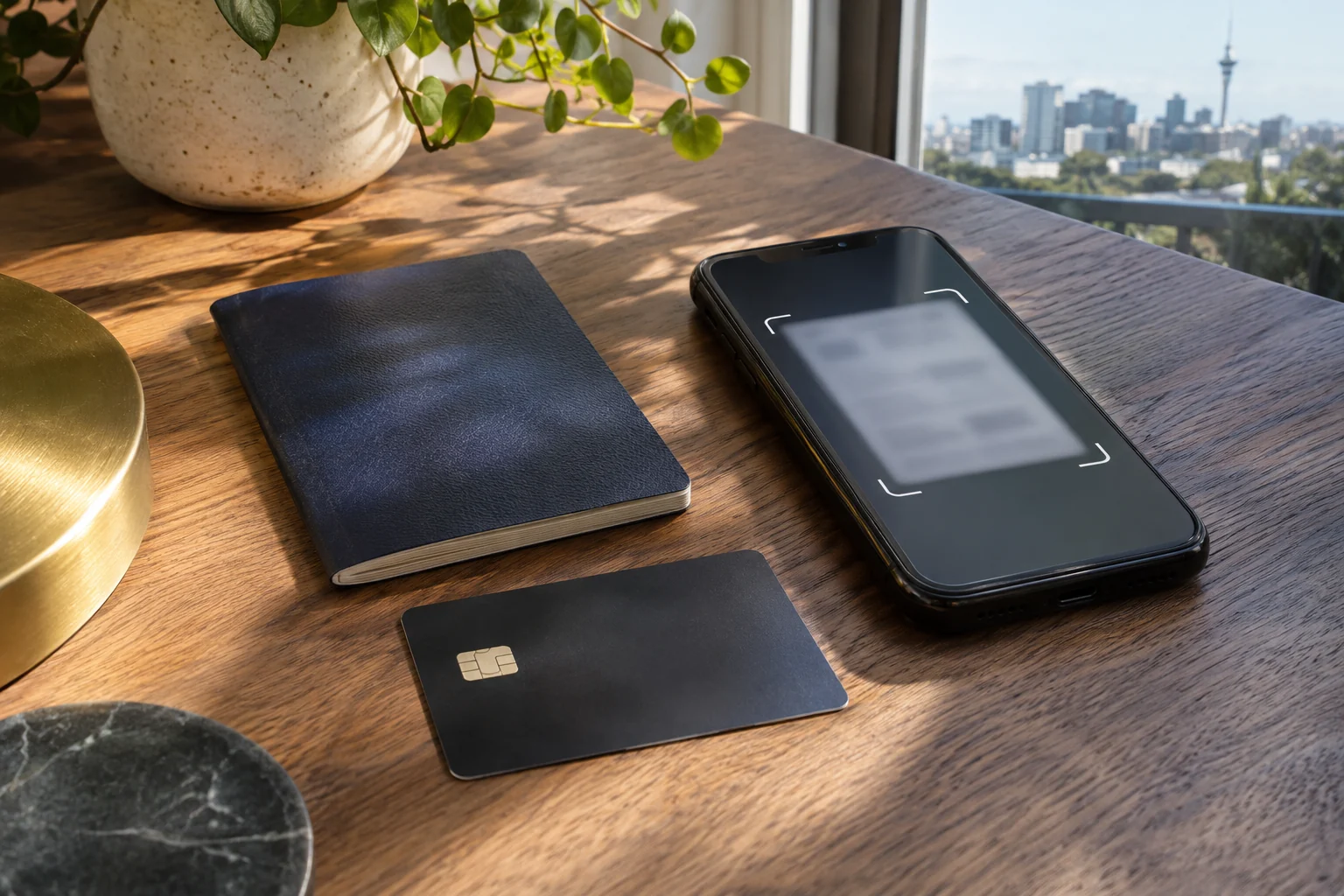
New Zealand's Online Casino Gambling Act 2026 came into force on 1 May 2026, with some provisions commencing later. The Online Casino Gambling Regulations 2026 set requirements for the emerging licensed regime. They include collecting a customer's full name and date of birth and verifying identity and that the customer is at least 18. These are not merely optional checks before a first withdrawal.
The transition matters. According to the Department of Internal Affairs (DIA), the Act is in force but the fully operational licensed online casino system is expected in 2027. As at November 2026, customers may still encounter overseas-facing casino processes that differ from the standards intended for New Zealand-licensed operators. Do not assume that a foreign operator holds a New Zealand online casino licence solely because it accepts NZD or has an “NZ” website.
AML/CFT terminology can also appear in operator policies, including customer due diligence (CDD), enhanced due diligence (EDD) and suspicious-activity monitoring. The obligations that apply to an individual business depend on its legal status and operating arrangements; the Anti-Money Laundering and Countering Financing of Terrorism Act 2009 should not be treated as proof that every offshore casino follows the same NZ compliance programme.
How to protect identity and payment information
Identity verification involves high-value personal data: passport or driver licence details, residential address, dates of birth, selfies and sometimes bank records. A legitimate request does not remove the need to check how information is handled. Read the operator's privacy notice for the purpose of collection, storage, retention, third-party identity providers, international transfers and contact details for privacy enquiries. New Zealand's Privacy Act 2020 is relevant to organisations within its scope, but overseas services do not all have identical obligations.
Use the secure upload flow inside your logged-in account, enable multi-factor authentication when offered and use a unique password. Never share a one-time login code, card PIN, complete card security code (CVV) or online banking password as “proof”. If a support agent asks for unusual information, independently navigate to the operator's official contact page to verify the request.
What to do if a casino will not release your withdrawal
- Identify the hold: KYC, payment ownership, transaction review, withdrawal condition or technical transfer failure.
- Ask for a written explanation: request the relevant policy term, outstanding document, current status and next review point.
- Preserve the record: retain transaction references, relevant terms, upload timestamps, verification decisions and support messages.
- Use formal complaints: follow the operator's complaints process if ordinary support does not resolve the issue. Check which regulator or dispute route actually covers that operator rather than assuming New Zealand authorities supervise every overseas casino.
- Protect your account: do not pay an unsolicited “verification release fee” or provide credentials to someone offering to recover your winnings.
If the problem involves suspected identity theft or an unauthorised payment, contact your bank or payment provider promptly. A pending KYC check is not, by itself, evidence of fraud; refusing to give a concrete reason for an extended hold is a reason to escalate the complaint.
Casino identity verification FAQs
Can I withdraw without completing KYC?
Do not assume so. Operators may need to verify identity and payment ownership before allowing a payout. Under the new NZ framework, identity and age checks are part of access controls for licensed operations, not simply a first-withdrawal formality.
Is a New Zealand driver licence enough?
It may satisfy the identity-document stage if the operator accepts it. Proof of address, payment ownership or additional checks can still be required for a particular account or transaction.
Can I use someone else's bank account to receive winnings?
That can trigger payment ownership and third-party payment concerns. Use an eligible payout method in your own name and check the casino's registered withdrawal-method rules.
Why does the casino want a selfie when I already uploaded a passport?
A selfie or liveness check can help determine whether the person submitting the application matches the identity document. Document authenticity and account-holder presence are different verification questions.
Do I need to send my entire bank statement?
Not automatically. Ask which dates, account details and transactions are necessary, and whether unrelated information can be masked. Follow the secure portal's requirements without obscuring the evidence needed for the actual review.
Will verification speed up a bank withdrawal?
It can remove an identity-related hold, but cannot guarantee the timing of operator approval, payment-provider processing or bank settlement. Check the payment reference once the withdrawal is marked sent.
How do I know my verification is complete?
Look for an approved status in the authenticated account or an explicit confirmation from support. If the account is verified but a payout remains pending, ask which separate payment or transaction check remains open.
← Back to Payments and Withdrawals