
On this page
An encrypted deposit does not guarantee a safe withdrawal. Payment security covers the money entering a casino account, the balance held by the operator and the route back to a bank or wallet. Even a fraudulent site can use HTTPS and display familiar payment logos.
New Zealand players need to check who operates the casino, whose payment method is accepted, what fees apply in New Zealand dollars (NZD) and how a withdrawal is approved. Overseas licensing claims need particular care during New Zealand’s phased 2026-27 online casino reforms.
What Makes a Casino Payment Secure?
Transaction security protects data moving among the device, payment gateway, payment service provider (PSP), bank and casino cashier. Account security guards against someone changing login or payout details. Funds protection concerns the balance after deposit: where uncommitted money is held and whether a valid withdrawal can be honoured. These are separate safeguards.
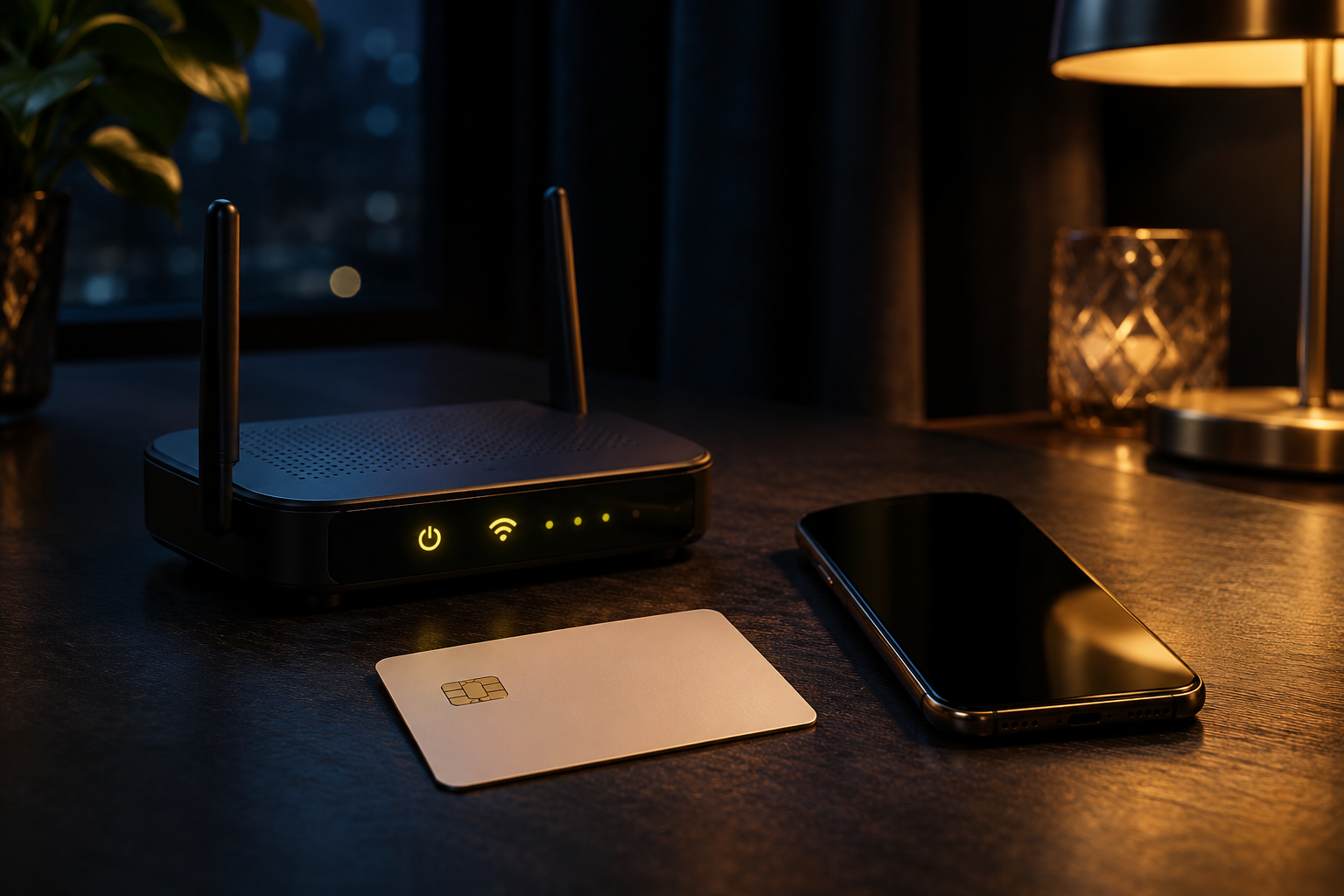
A deposit receipt confirms that the cashier credited the account. It cannot tell you whether the same method supports withdrawals. Check the return route and identity rules before paying. The sequence is deposit → payment confirmation → account verification → withdrawal approval → settlement.
Payment Security Checks Before Depositing
| Check | What to verify | Why it matters |
|---|---|---|
| Operator status | Legal operator name, applicable regulator, verifiable licence or transitional status | A licence badge from a foreign authority is not a New Zealand online casino licence. |
| Secure connection | Correct website domain, HTTPS, and no certificate warning | Transport encryption reduces interception risks but does not establish trustworthiness. |
| Account controls | Unique password, multi-factor authentication (MFA), and alerts for changed payment details | Account takeover can redirect an otherwise legitimate withdrawal. |
| Cashier details | Supported deposit and withdrawal methods, minimum and maximum amounts, currencies and fees | A deposit-only option may require another verified method for cashing out. |
| Withdrawal terms | KYC requirements, review process, restrictions, complaint route and likely banking stages | “Instant withdrawal” often describes one stage rather than arrival in the bank account. |
| Data handling | Privacy policy, secure document upload and stated handling of identity records | Verification can expose passports, addresses and bank statements if documents are mishandled. |
The company named in the casino’s terms should match its licence claim and complaints procedure. Visa, Mastercard and wallet logos cannot establish whether a New Zealand customer may withdraw.
Encryption, PCI DSS and Account Protection
HTTPS, TLS and payment details
HTTPS uses Transport Layer Security (TLS), often called SSL in older casino material, to encrypt data in transit. It reduces the risk of network interception. It cannot stop a phishing site with a convincing domain, a compromised account, a breach elsewhere or an operator withholding a valid payout.
Tokenisation lets a card processor use a restricted token instead of storing a full card number. Organisations handling cardholder data must follow the Payment Card Industry Data Security Standard (PCI DSS) where it applies. New Zealand’s Online Casino Gambling (Minimum Standards) 2026 specify PCI DSS v4.0.1 for payment service providers under the new regime. A PCI claim describes data controls; it is not proof that a casino will pay withdrawals.
Login security and sensitive changes
Two-factor authentication (2FA) adds a check beyond the password. Multi-factor authentication (MFA) may use an authenticator app, passkey or another approved factor. Face ID and Touch ID can protect a device or wallet; neither necessarily secures the casino account. The casino still needs safe password resets, audit logs, controls for changing payout details and separate identity checks.
Under New Zealand’s minimum standards, platforms must offer MFA for sensitive actions, log account changes and end inactive sessions within 30 minutes. Location verification and VPN detection address another risk. ISO/IEC 27001:2022 controls cover access, suppliers, incidents and secure development. These requirements concern the emerging NZ-licensed system; they should not be attributed to every offshore operator.
Which Payment Methods Have the Lowest Security Trade-offs?
Start with the payout route. The payment method must belong to the player, meet the bank’s rules and support a documented withdrawal destination. Then compare fraud controls, account information exposed at checkout, fees and reversibility.
| Method | Security considerations | Withdrawal limitation to check |
|---|---|---|
| Debit cards and digital wallets | Card-network fraud controls, bank verification and possible tokenisation | Card payouts and refund routes depend on the operator, issuer and processor. |
| Direct bank transfer | Bank authentication and an identifiable recipient; international transfers add routing and FX exposure | Bank details, beneficiary name and settlement time must match the approved payout. |
| Bank-linked payment services | Security depends on the way a provider connects to online banking | Fast deposits do not establish support for withdrawals. |
| E-wallets | Can reduce direct disclosure of card details to the casino; wallet accounts need MFA | Identity checks, country support and cash-out fees may apply. |
| Prepaid vouchers and mobile billing | May limit information exposed at deposit | Frequently unsuitable as the destination for withdrawals. |
| Cryptocurrency | On-chain transfers have no conventional bank chargeback; address and network mistakes can be permanent | The operator's review still precedes an on-chain payout, and conversion costs remain. |
Debit cards, Visa, Mastercard and mobile wallets
Visa and Mastercard operate card networks; neither endorses a particular casino. Debit cards spend available funds, whereas credit cards borrow. Apple Pay and Google Pay can use device authentication and tokenisation with eligible cards, but gambling acceptance and payouts still depend on the issuer and processor. American Express, Maestro and Visa Electron may appear in international directories without being usable at a given NZ cashier.
New Zealand’s 2026 regulations bar credit-contract payments under the new licensing regime. That restriction covers credit cards and requires scrutiny of buy now, pay later (BNPL) arrangements such as Afterpay and Klarna when they involve credit contracts. An older comparison site cannot establish what a future NZ-licensed casino may lawfully accept.
Bank transfers, POLi and open banking
A transfer initiated through a bank’s own app or website keeps authentication within that banking channel. International transfers may pass through SWIFT intermediaries and incur foreign exchange (FX) charges. Overseas recipients may request an IBAN; domestic New Zealand payments use local bank-account number formats.
POLi can make account-to-account deposits convenient, but its credential-sharing model warrants attention. ANZ warns customers against giving internet-banking passwords to third-party services such as POLi and Account2Account and says it does not support their current approach. Bank-authorised open banking works differently: the customer approves a connection at the bank rather than revealing the banking password to a merchant.
Trustly, Zimpler, Rapid Transfer and PayID are bank-linked brands or regional schemes, not promises of nationwide NZ availability. ANZ, ASB, BNZ, Kiwibank, Westpac NZ and TSB Bank can apply their own gambling restrictions and fraud checks. Transactions classified under merchant category code MCC 7995 (betting and gambling) may be blocked by the issuer. A declined transaction alone does not establish fraud.
E-wallets, vouchers and phone billing
Casino payment directories list Skrill, Neteller, PayPal, MiFinity, MuchBetter, Payz (formerly ecoPayz), Jeton, AstroPay, Revolut, Instadebit and eZeeWallet. An e-wallet can keep underlying card details away from the casino, while adding a separate wallet login, know-your-customer (KYC) checks and possible conversion or withdrawal charges. PayPal restricts gambling services by market. Its name in a directory is not evidence of support for a New Zealand casino payment.
Paysafecard, Neosurf and Flexepin are prepaid voucher products; Boku and PayForIt offer phone-based billing models. Paysafecard is part of Paysafe Group. These options can limit the information provided at checkout, but a voucher or phone bill generally cannot receive winnings. Check the separate withdrawal route. A stranger demanding a payment to “release” voucher winnings is a fraud warning, not a normal payout step.
Bitcoin, stablecoins and blockchain networks
Cryptocurrency cashiers may list Bitcoin (BTC), Ethereum (ETH), Litecoin (LTC), Tether (USDT), USD Coin (USDC), XRP (sometimes labelled Ripple), Dogecoin (DOGE), Cardano (ADA) and Solana. Each asset and network has distinct risks. A USDT transfer on TRC-20 cannot simply be sent to an ERC-20-only address. A wrong network or wallet address may make the transfer unrecoverable; Bitcoin and Ethereum transaction fees also vary with network conditions.
Stablecoins seek to follow a reference asset’s price, but issuers, redemption terms and blockchains introduce their own risks. Cryptocurrency values can also change in NZD between deposit and payout. Even a confirmed on-chain transfer does not prove casino approval. With no usual card chargeback, a wrong destination can be costly. Crypto support is not proof of licensing or solvency.
Why Casinos Verify Identity Before Paying Out
Know Your Customer (KYC) checks establish identity and age; anti-money laundering (AML) and countering the financing of terrorism (CFT) controls examine the movement and origin of funds. Customer due diligence may also confirm that the account holder owns the payment method. Monitoring can flag unusual deposits, third-party transfers, sudden payout-detail changes or signs of account takeover. The regulated NZ framework has an 18+ age requirement.
For identity, a casino may request a passport or New Zealand driver licence; for address, a utility bill or bank statement. Higher-risk transactions can prompt source-of-funds questions or enhanced due diligence. Upload documents through the authenticated account portal and check the privacy notice. Banking passwords, PINs and one-time codes are not ordinary proof-of-identity documents.
The Online Casino Gambling Regulations 2026 require identity and age verification before account access under the regulated framework. Early verification reduces one cause of delayed withdrawals, though further review may still follow. New Zealand’s Privacy Act 2020 governs relevant collection, access, correction and handling of personal information; the operator should state who receives identity documents and how long they are retained.
How a Secure Withdrawal Works
- Request: The player selects a permitted withdrawal method, amount and destination in the cashier. Available balance is not always identical to withdrawable funds when a game-specific commitment or a disclosed bonus term remains.
- Ownership and eligibility review: The operator checks account identity, withdrawal terms, payment method ownership, fraud indicators and any outstanding lawful verification.
- Approval: An approved withdrawal request leaves the casino's pending-withdrawal queue. Approval is not the same as funds arriving at a bank or wallet.
- Processing and settlement: A payment service provider, card issuer, bank or blockchain network completes the transfer. Bank cut-off times, international intermediaries and currency conversion can affect the final arrival.
- Reconciliation: The incoming transaction should match the payment reference, amount and currency, allowing for disclosed processing fees, network fees and foreign exchange (FX) spreads.
A “pending” label alone does not explain a delay. KYC documents, mismatched names, account restrictions, source-of-funds reviews or settlement by a bank or PSP may hold up payment. “Instant” and “24-hour payouts” should be assessed against the distinction between casino approval and arrival in the receiving account.
What New Zealand's 2026 Rules Mean for Player Funds
The Department of Internal Affairs (DIA) is phasing in the Online Casino Gambling Act 2026. As at November 2026, the full NZ-licensed system is not operating; licensing is expected to start in early 2027. Licences from the Malta Gaming Authority (MGA), Curaçao Gaming Authority and Anjouan Gaming Authority are not New Zealand licences. The DIA has outlined a public register and registration icon for licensed operators.
The Online Casino Gambling Regulations 2026 and minimum standards set the following requirements for operators within the new framework:
- One registered deposit method per platform: A customer may hold only one at a time and cannot change it within the first 24 hours after registration. A separate withdrawal method can be registered.
- Return of customer funds: Uncommitted funds must be held in a bank account separate from the operator's other accounts. Valid withdrawals are to be completed without undue delay once legal requirements have been met.
- Return route: Funds ordinarily go back through the registered deposit method; another elected withdrawal method is used where that return is not possible. Pending requests for uncommitted funds cannot be cancelled by the player under the regulated rules.
- Financial and identity controls: Credit-contract payments are prohibited, identity and age must be verified, and customer transactions must remain traceable.
- Player protections: The framework requires access to deposit, spending and time limits, self-exclusion processes, published complaints procedures and controls against harmful play.
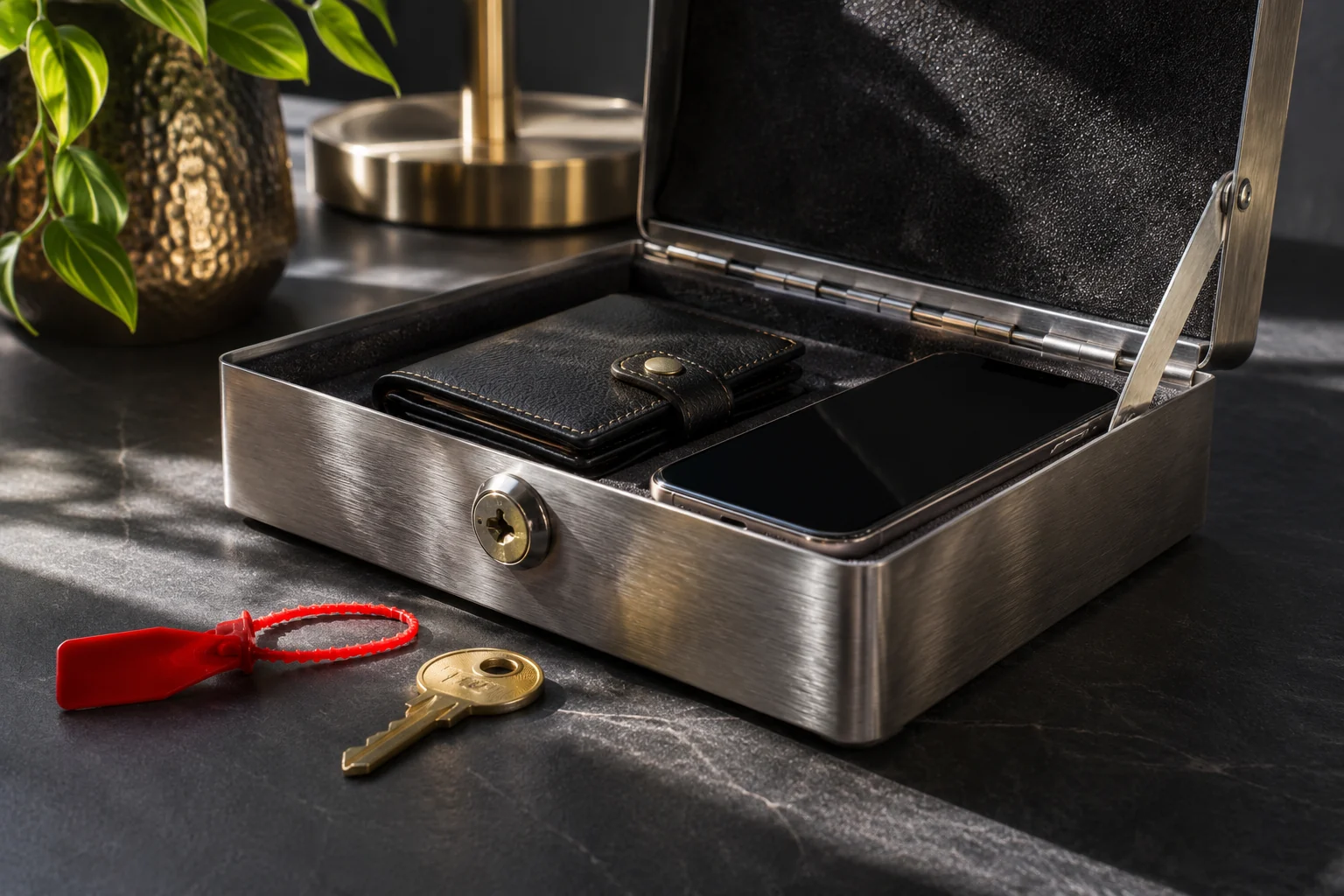
A segregated account protects player balances more effectively than mingling them with business funds. It is not a government-backed guarantee or an automatic compensation scheme. The protection actually available depends on the operator’s regulatory status and the transaction date.
The Financial Markets Authority (FMA) says New Zealand has no single general licence specifically for e-money or payment service providers. Depending on the service, the Financial Markets Conduct Act 2013, Anti-Money Laundering and Countering Financing of Terrorism Act 2009, Financial Service Providers Register (FSPR), dispute-resolution arrangements and Reserve Bank of New Zealand requirements may apply. A wallet provider’s registration cannot authorise a casino to offer gambling.
When a Deposit Is Declined or a Withdrawal Is Delayed
A bank blocks the deposit
If a bank declines a deposit, check the merchant description, available balance, daily limit and gambling controls. The bank can identify whether fraud screening, cross-border settings or a merchant code caused the decline. Repeated attempts may create duplicate authorisations; using someone else’s account may trigger further checks.
The withdrawal shows “pending” for longer than expected
For a delayed payout, compare the casino’s approval period with the payment provider’s delivery time. Check the request ID, transaction history, verification status, limits and any applicable bonus or wagering condition. Keep timestamps. If support requests documents, verify the message in the secure account channel before uploading them.
The payout amount is smaller than expected
A smaller payout may reflect conversion from USD or EUR into NZD, an FX spread, an international transfer charge, a SWIFT intermediary deduction, a wallet fee or a crypto network fee. Compare the requested and received sums, the currency and the rate used. Ask for an itemised breakdown before treating the difference as a fraudulent transaction.
The payment or account appears fraudulent
For a suspicious payment, stop using the link and contact the bank or card issuer through its official channel. Preserve the reference and ask the bank to review the payment or block the card when needed. Consumer Protection NZ explains that some credit and debit card payments qualify for chargeback; bank transfers are harder to recover, and vouchers or cryptocurrency harder still. Chargeback rules do not refund a gambling loss merely because the wager was unsuccessful.
If the dispute concerns the operator, request its written reason, the relevant withdrawal terms and the complaints process. Record whether the issue is a refused payout, an unauthorised payment or an outstanding verification request. The DIA’s procedure for NZ-licensed operators belongs to the new regime; meanwhile an overseas regulator or payment provider may apply different complaint rules.
Fraud Warnings That Encryption Cannot Solve
- Payment to “unlock” winnings: An unexpected tax, verification, wallet activation or release payment demanded through a new bank account or crypto address is a major warning sign.
- Phishing and fake support: Lookalike domains, messages requesting a one-time code, remote-access software or urgent password changes can lead to account takeover.
- Third-party payment ownership: Depositing from someone else's bank account or e-wallet creates verification and fraud risks even when the first payment succeeds.
- Unverifiable security claims: An SSL icon, invented PCI certificate, unsupported licence logo or promise of “guaranteed instant withdrawals” offers little protection on its own.
- Withdrawal manipulation: Repeated demands to cancel and resubmit a pending request, use a VPN to bypass location controls, or send more deposits before a payout deserve scrutiny.
Use a unique password and MFA, keep recovery codes safe, update devices and review payment alerts. Deposit limits, cooling-off periods, bank gambling blocks and self-exclusion help contain financial harm. BetBlocker, Gamban and GamBlock restrict gambling-site access, not payment encryption. New Zealand’s Gambling Helpline: 0800 654 655 or text 8006.
Payment Security FAQs
Is an online casino safe because its website uses HTTPS?
No. HTTPS encrypts data in transit; it does not validate the casino’s licence, financial position, identity procedures or payout terms. Check those separately.
Is POLi safer than entering card details?
POLi does not expose a card number to the cashier, but a process requesting internet-banking credentials creates a different risk. ANZ warns against password sharing. Bank-authorised open banking should keep the password within the bank’s own system.
Can a casino request ID after accepting a deposit?
Identity, age, payment ownership and source-of-funds checks can affect payouts. New Zealand’s new framework requires identity and age checks before account access. Offshore operators during the transition may follow different rules; confirm when verification occurs.
Why can't winnings be withdrawn to a prepaid voucher?
Vouchers generally fund purchases, not return payments. A casino may require a verified bank account, eligible card or e-wallet for winnings from Paysafecard, Neosurf or Flexepin.
Are cryptocurrency casino withdrawals instant and reversible?
No. Casino approval happens separately from blockchain submission and network confirmations. Sending BTC, ETH or USDT to the wrong address or network may be irreversible.
Do casino deposits and withdrawals incur the same fees?
Not always. A fee-free deposit may be followed by wallet, receiving-bank or foreign exchange charges on withdrawal. Compare costs in NZD at both ends.
Can a New Zealand player dispute an unauthorised casino payment?
Yes. Notify the bank or provider, secure the account and keep records. Chargeback eligibility depends on the card-scheme rules; an unauthorised payment differs from a wager knowingly placed and lost.
← Back to Payments and Withdrawals